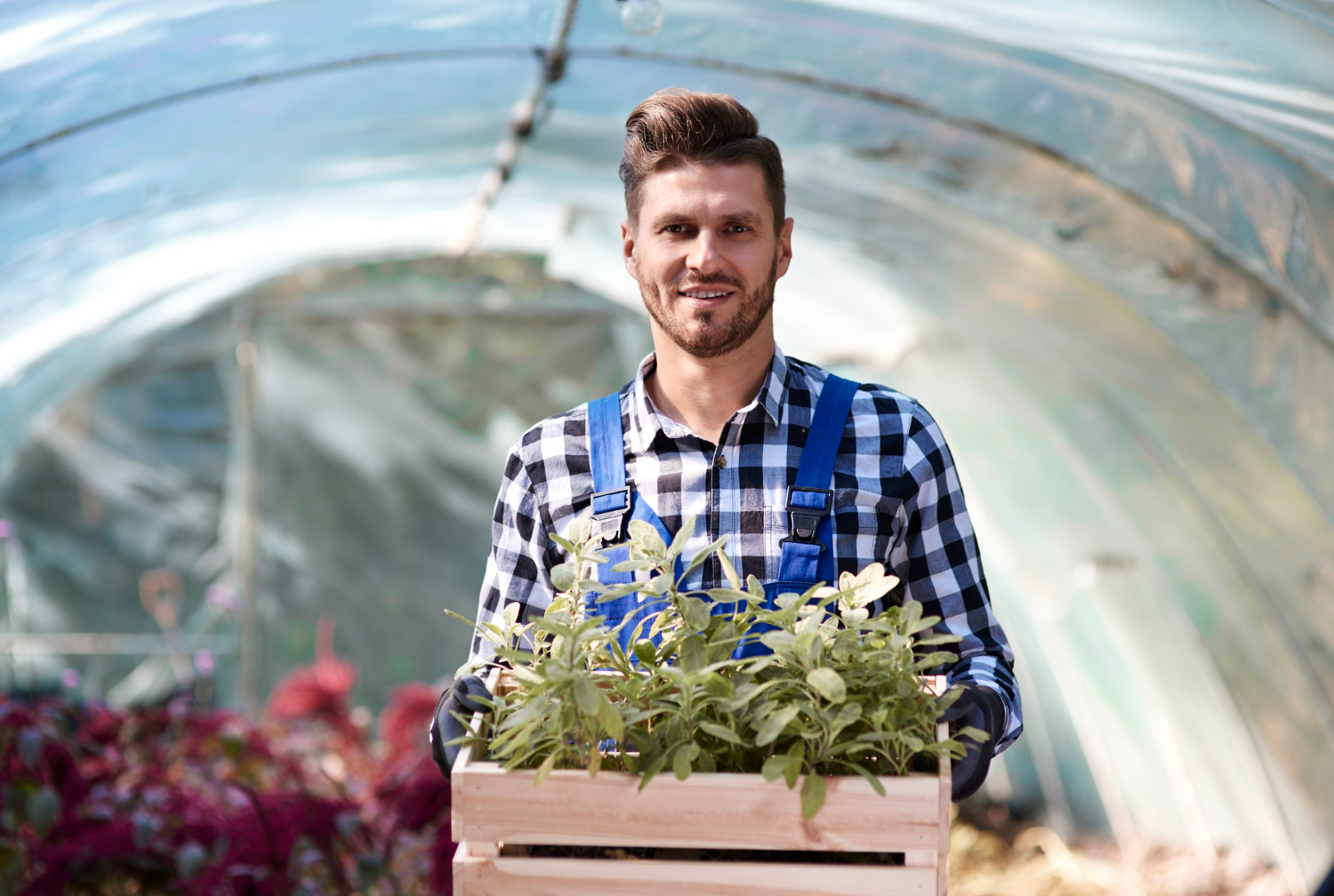
If you’re looking for honest work in Europe with straightforward requirements, decent pay, and the chance to experience life in one of Europe’s agricultural heartlands, farm worker jobs in Poland deserve your serious attention. Poland’s thriving agricultural sector offers thousands of opportunities for international workers—from seasonal fruit picking to year-round farm employment—and 2026 is shaping up to be one of the best years yet for those seeking agricultural work abroad.
Poland ranks among Europe’s top agricultural producers, with vast farms growing everything from strawberries and apples to vegetables, grains, and flowers. This agricultural powerhouse needs reliable workers, especially during peak harvest seasons, and Polish farmers have increasingly turned to international labor to meet their needs.
Whether you’re considering seasonal work to earn money during specific months or searching for full-time agricultural employment with year-round stability, this guide will walk you through everything you need to know about farm jobs in Poland for 2026.
Why Poland’s Agricultural Sector Is Your Best Opportunity
Poland’s farming industry isn’t just surviving—it’s thriving. Here’s why this translates into real opportunities for workers like you:
Massive Agricultural Output: Poland is one of Europe’s largest producers of fruits, vegetables, and agricultural products. The country exports billions of euros worth of produce annually, meaning farms operate at commercial scales requiring substantial workforces.
Seasonal Labor Shortages: Polish farms face critical worker shortages during harvest seasons. Local populations have shifted toward urban employment, creating genuine demand for international workers willing to work during peak agricultural periods.
Accessible Entry Requirements: Unlike many European work opportunities requiring specialized skills or extensive documentation, agricultural work in Poland offers relatively straightforward paths for international workers through simplified seasonal work programs.
Beautiful Rural Settings: Beyond the paycheck, farm work in Poland means experiencing stunning countryside, fresh air, and a lifestyle far removed from crowded urban centers. Many workers find the change of pace refreshing and therapeutic.
Types of Agricultural Jobs Available in Poland
Understanding the specific roles helps you target positions matching your interests, physical capabilities, and schedule preferences. Here’s what’s available:
Seasonal Farm Work
Seasonal positions dominate Poland’s agricultural employment landscape, with most opportunities concentrated between April and October.
Fruit Picking (April-October): Poland’s orchards need thousands of workers for harvesting strawberries, raspberries, blueberries, apples, cherries, and plums. Strawberry season (May-July) represents the busiest period, with peak earnings potential.
Vegetable Harvesting (May-October): Farms growing tomatoes, cucumbers, peppers, cabbage, and carrots require workers for planting, maintenance, and harvesting. Greenhouse operations extend seasons and provide more stable work.
Hop and Grain Harvesting (July-September): Poland’s beer industry relies on hop farms requiring specialized harvest workers. Grain farms need workers operating machinery and handling crops during critical harvest windows.
Flower Cultivation (March-November): Flower farms, particularly in southern Poland, employ workers for planting, maintenance, cutting, and packaging flowers for domestic and export markets.
Full-Time Agricultural Employment
Year-round positions offer greater stability and typically include additional benefits beyond seasonal work.
Livestock Farm Workers: Dairy farms, pig farms, and poultry operations need workers for daily animal care, feeding, cleaning, and facility maintenance. These positions operate year-round regardless of season.
Greenhouse Workers: Modern greenhouse operations growing vegetables, herbs, and flowers provide climate-controlled environments allowing year-round production and employment.
Equipment Operators: Experienced workers who can operate tractors, harvesters, and other farm machinery command higher wages and year-round employment.
Farm Supervisors: With experience and language skills, workers can advance to supervisory roles overseeing teams, coordinating harvests, and managing operations.
Realistic Salary Expectations for 2026
Let’s discuss what you’ll actually earn because that’s likely your primary concern. Farm worker salaries in Poland vary significantly based on work type, season, and productivity, but here are realistic 2026 projections:
Seasonal Fruit Pickers: €800-€1,400 per month during peak season. Earnings depend heavily on productivity—faster pickers earn significantly more through piece-rate systems. Top performers during strawberry season can exceed €1,500 monthly.
Vegetable Farm Workers: €750-€1,100 per month. These positions typically pay hourly or daily rates rather than piece-rate, providing more predictable earnings.
Full-Time Farm Workers: €900-€1,300 per month year-round. Livestock and greenhouse workers receive steady monthly salaries plus benefits.
Equipment Operators: €1,100-€1,600 per month. Operating machinery requires skills and certification, commanding premium compensation.
Supervisory Positions: €1,300-€2,000 per month. Team leaders and farm managers with experience and Polish language proficiency earn top-tier agricultural wages.
Additional Benefits Often Include:
- Free or heavily subsidized accommodation (dormitories or farm housing)
- Meals provided (typically breakfast and lunch on larger farms)
- Transportation to and from work sites
- Work permit and visa sponsorship
- Health insurance coverage
- Weekly or bi-weekly payment schedules
Payment Structures: Many fruit picking operations use piece-rate systems—you’re paid per kilogram or crate harvested. While this rewards fast workers, it also means productivity directly impacts earnings. Hourly or daily rates (typically €4-€6 per hour) provide more predictable income.
Jamal’s Journey: From First-Time Picker to Farm Manager
Jamal arrived in Poland from Nepal in 2020 for strawberry season, never having worked on a farm before. “Those first days were brutal,” he admits. “My back ached, I was slow compared to experienced pickers, and I questioned whether I’d made a mistake.”
But Jamal stuck with it. He learned techniques from faster pickers, improved his speed, and returned for multiple seasons. The farm owner noticed his reliability and work ethic, offering him a year-round position in the greenhouse operation. By 2024, Jamal had been promoted to assistant farm manager, coordinating seasonal worker teams and managing harvest schedules.
“I came for three months of strawberry picking,” Jamal reflects. “I stayed because I found something more—respect, stability, and opportunity. I’ve bought land back home with my savings and I’m planning to start my own agricultural export business using everything I’ve learned here.”
Jamal’s story illustrates that farm work in Poland isn’t necessarily temporary—it can be a foundation for genuine career development and financial progress.
Work Permits and Legal Requirements for 2026
Poland has streamlined agricultural work authorization, recognizing the sector’s critical labor needs. Here’s what you need to know for 2026:
For EU/EEA Citizens: You can work in Poland without permits or restrictions. Simply bring valid identification and you’re legally authorized to accept agricultural employment.
For Non-EU Citizens: Poland offers specific seasonal work programs designed for agricultural workers, making the process relatively straightforward.
Seasonal Work Permit (Most Common):
- Valid for up to 9 months within a 12-month period
- Employer applies on your behalf
- Processing typically takes 2-4 weeks
- Can be renewed for consecutive seasons
- Allows work only for the sponsoring employer
Required Documents Typically Include:
- Valid passport (minimum 6 months validity)
- Employment contract or official job offer specifying duration and wages
- Proof of accommodation (usually provided by employer)
- Basic health insurance (often included in employment package)
- Return travel arrangements or proof of funds
Simplified Process for Certain Countries: Poland has bilateral agreements with several countries (including Ukraine, Belarus, Georgia, Moldova, Armenia, and others) allowing even simpler seasonal work authorization through employer declarations.
Important 2026 Updates: Poland is expected to expand its seasonal worker programs for 2026, potentially adding more countries to simplified authorization lists and increasing quotas. Check current regulations when applying, as policies continue evolving.
Finding Legitimate Farm Jobs for 2026 Season
The agricultural sector unfortunately attracts fraudulent recruitment schemes. Here’s how to find genuine opportunities:
Reputable Agricultural Agencies: Specialized agencies like Season Workers, AgriJobs Poland, and others maintain relationships with verified farms. Look for agencies with physical offices, transparent fee structures, and verifiable farm client lists.
Direct Farm Contact: Many larger farms post openings on their websites or social media pages. Research farms in regions like Mazovia, Lublin, Greater Poland, and Lower Silesia—Poland’s agricultural heartlands.
Government Resources: Poland’s Labor Office (Urząd Pracy) lists verified agricultural positions. While interfaces are primarily in Polish, Google Translate can help navigate listings.
Seasonal Worker Programs: Organizations like EURES (European Employment Services) facilitate legal agricultural work across EU countries, including Poland, with verified employer connections.
Online Agricultural Job Boards: Websites like Sezon.pl, RolnikSzukaPracy.pl, and OLX.pl’s farm job sections feature agricultural listings. Always verify employer details before committing.
Worker Networks: Facebook groups, WhatsApp communities, and online forums where current and former farm workers in Poland share experiences provide valuable insights and legitimate job leads.
Red Flags to Avoid:
- Requests for large upfront fees (€500+) before employment confirmation
- Promises of unrealistic wages (€2,000+ for basic picking work)
- Vague contracts without specific farm addresses or owner information
- Pressure to decide immediately without time to review contracts
- Agencies unwilling to provide verifiable farm references
Life as a Farm Worker in Poland: What to Really Expect
Understanding daily realities helps you prepare mentally and practically for farm work in Poland.
Working Conditions: Farm work is physically demanding. Expect 8-10 hour days during peak season, often starting early morning (5-6 AM) to avoid midday heat. Work occurs regardless of weather—rain, heat, or cold—though extreme conditions may pause operations temporarily.
Accommodation: Most farms provide shared housing in dormitories or converted farm buildings. Facilities range from basic (shared rooms, communal bathrooms) to comfortable (smaller rooms, better amenities). Larger commercial farms typically offer better accommodation than small family operations.
Language: Polish is the primary language on farms, though many seasonal workers speak limited Polish. Supervisors on farms regularly employing international workers often speak basic English, Russian, or Ukrainian. Learning essential Polish phrases significantly improves your experience.
Social Environment: Seasonal farm work attracts workers from across Europe, Asia, and Africa, creating multicultural communities. Many workers form lasting friendships during seasons, with evenings and weekends providing opportunities for socializing and exploring nearby towns.
Rural Living: Polish farm regions offer peaceful, scenic environments far from urban noise. However, this means limited entertainment options, fewer shops, and reliance on farm-provided transportation. Embrace the countryside lifestyle—many workers find it a welcome respite from city stress.
Food: Larger farms typically provide meals, usually traditional Polish cuisine—hearty, filling, and carb-heavy (potatoes, bread, soups, meat). Smaller farms might provide cooking facilities where workers prepare their own meals.
Health, Safety, and Worker Rights
Poland’s agricultural sector operates under EU labor regulations, providing important protections:
Working Hours: Standard maximum is 48 hours weekly, though seasonal agricultural work sometimes involves longer hours during critical harvest periods, compensated through overtime pay or reduced hours during slower periods.
Rest Days: You’re entitled to at least one day off weekly, though busy harvest periods might require consecutive work days followed by multiple days off.
Workplace Safety: Farms must provide necessary safety equipment (gloves, protective clothing) and training for equipment operation. Reputable employers prioritize worker safety.
Medical Care: Your employment contract should include health insurance coverage. Emergency medical care is available through Poland’s public health system, and farms typically have procedures for handling injuries or illnesses.
Contract Clarity: Ensure your employment contract specifies wages, working hours, accommodation details, duration, and responsibilities in writing. Don’t accept verbal agreements for serious employment.
Worker Support: Organizations like trade unions and worker advocacy groups operate in Poland, providing support if you face unfair treatment or contract violations.
Frequently Asked Questions
Q: Can I extend my stay beyond the initial seasonal work period? A: Yes, if your employer offers extended work and applies for permit extensions. Many seasonal workers return for consecutive years or transition to year-round positions. Some workers use seasonal employment to qualify for longer-term residence permits after several years.
Q: What happens if weather ruins the harvest and there’s no work? A: This risk exists in agricultural work. Reputable employers typically provide minimum guaranteed pay regardless of weather or specify this in contracts. Some farms offer alternative work during weather disruptions. Always clarify weather-related payment policies before accepting positions.
Q: Do I need farming experience to get hired? A: For basic fruit picking and vegetable harvesting, no prior experience is necessary—you’ll learn on-site. However, positions involving machinery operation, animal care, or specialized cultivation require relevant experience and certifications.
Q: Can I save money working on farms in Poland? A: Yes, particularly if accommodation and meals are provided. Workers without these expenses can save €500-€800+ monthly, depending on wages and personal spending habits. Many seasonal workers return home with substantial savings after 4-6 month periods.
Q: Is farm work suitable for women? A: Absolutely. Many farms employ predominantly female workers, especially for fruit picking and greenhouse work requiring gentler handling. Polish farms employ diverse workforces regardless of gender, and reputable employers maintain safe, respectful work environments.
Your Agricultural Adventure Awaits
You might be reading this wondering whether farm work is “beneath” you, or questioning whether the physical demands are worth the modest wages. Let me share something important: there’s profound dignity in agricultural work.
Every strawberry harvested, every apple picked, every vegetable carefully tended—this work literally feeds people. It connects you to the earth, to seasons, to the fundamental reality of how food reaches our tables. While others debate abstractions in air-conditioned offices, you’ll finish each day having accomplished something tangible, something real, something that matters.
Yes, the work is physically demanding. Your muscles will ache initially, and some days will test your endurance. But your body adapts, you’ll grow stronger, and you’ll discover capabilities you didn’t know you possessed. Many workers describe farm work as meditative—rhythmic, focused, allowing your mind to process thoughts while your hands stay busy.
Beyond the physical work lies something else: community. You’ll meet people from dozens of countries, all working toward common goals, all sharing similar hopes for better futures. Friendships forged while picking strawberries in Polish sunshine often last lifetimes. You’ll learn phrases in languages you’ve never encountered, taste foods from cultures you’ve never experienced, and gain perspectives that expand your understanding of our shared world.
Growing Your Future From Polish Soil
The farms across Poland’s countryside need workers for 2026. They need reliable people willing to work hard, adapt to rural life, and contribute meaningfully to one of Europe’s most important agricultural economies.
These opportunities offer more than paychecks—though the money certainly helps. They offer experiences, adventures, and the satisfaction of honest work well done. They offer chances to save money, support families back home, or fund future dreams. They offer stepping stones toward European work experience, language development, and potential long-term opportunities.
Thousands of workers before you have walked this path successfully. They started with similar doubts and questions, worked through difficult days, celebrated successful harvests, and ultimately accomplished their goals—whether earning specific amounts, gaining international experience, or building foundations for bigger opportunities.
Your story in Poland’s fields is waiting to be written. The 2026 season is approaching, and farms are beginning their hiring processes. The applications will be reviewed, the positions will be filled, and the harvests will happen—with or without you.
But imagine yourself there: standing in a Polish orchard under summer sun, basket filling with ripe fruit, surrounded by coworkers who’ve become friends, knowing every day brings you closer to your goals. Imagine the satisfaction of receiving your first paycheck earned through honest work in a foreign land. Imagine the pride of returning home with savings and stories of your time working Europe’s farms.
That future is entirely possible. It’s real, it’s accessible, and it’s waiting for workers willing to take that first step. Research employers, prepare your documents, reach out to agencies, and apply for positions. The fields of Poland are ready for you—are you ready for them?
Your agricultural adventure begins with one decision. Make it today.