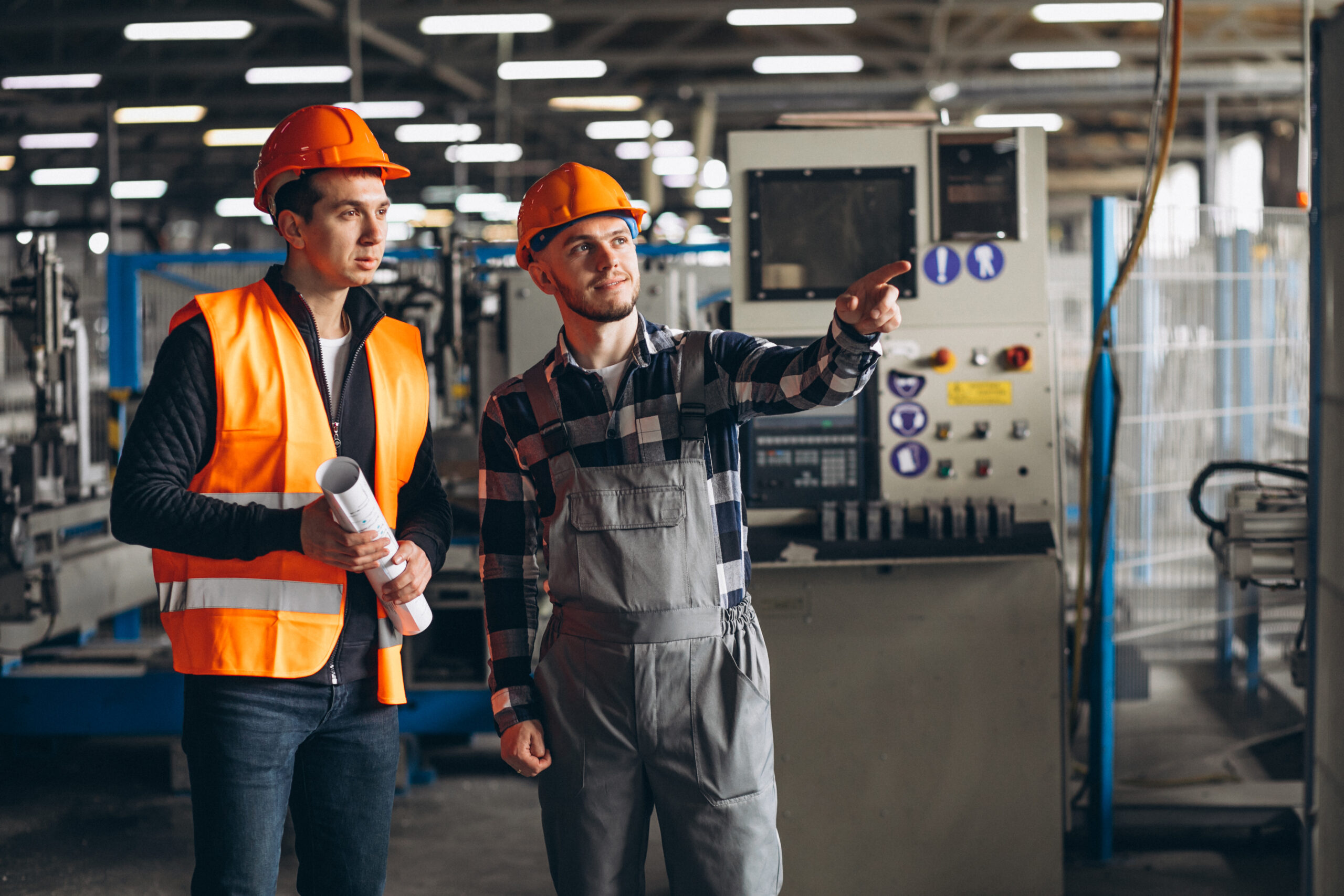
Looking for a career that offers solid wages, job security, and doesn’t require years of specialized education? Factory and manufacturing worker jobs in Poland present compelling opportunities that many job seekers overlook. Poland has transformed into one of Europe’s leading manufacturing hubs, producing everything from automotive components and electronics to household appliances and medical devices—and the industry needs skilled workers now.
Whether you’re starting your career, seeking better employment conditions, or considering a career change, Poland’s manufacturing sector offers positions with competitive salaries ranging from 4,500 to 7,500 PLN net monthly, comprehensive benefits packages, and clear advancement paths. International corporations like LG, Volkswagen, Bridgestone, and countless Polish manufacturers are actively hiring, creating an employee-friendly market where reliable workers are genuinely valued. Let’s explore how you can secure your position in this thriving industry.
Understanding Poland’s Manufacturing Landscape in 2026
Poland’s manufacturing sector employs over 3 million people, representing roughly 20% of the country’s workforce. This isn’t your grandfather’s factory work—modern Polish manufacturing facilities feature advanced automation, robotics, and technology requiring skilled operators rather than just manual labor.
Key manufacturing clusters across Poland:
Greater Silesia region (Katowice, Gliwice, Tychy): Automotive manufacturing dominates, with major plants producing vehicles, engines, and components for European markets. This region offers the highest concentration of factory employment in Poland.
Lower Silesia (Wrocław, Legnica, Jelenia Góra): Electronics, home appliances, and specialized manufacturing. International companies like LG Electronics and Whirlpool operate major facilities here.
Greater Poland (Poznań, Leszno): Volkswagen’s massive production facility anchors automotive manufacturing, while food processing and furniture manufacturing also provide thousands of jobs.
Mazovia (Warsaw surroundings, Płock): Diverse manufacturing including pharmaceuticals, food processing, and industrial equipment.
Subcarpathia (Rzeszów, Mielec): Aviation industry hub with companies like Pratt & Whitney and aviation component manufacturers.
This geographic diversity means factory opportunities exist throughout Poland, allowing you to find positions near your preferred location rather than relocating across the country.
Types of Factory and Manufacturing Jobs Available
Manufacturing encompasses far more variety than most people realize. Understanding different positions helps you target roles matching your interests and abilities.
Production Line Workers and Assembly Operators
Core responsibilities: Operating machinery or working at assembly stations to manufacture products according to specifications. This might involve assembling electronic components, automotive parts, appliances, or other manufactured goods through repetitive, precise tasks.
Salary range: Entry-level production workers earn 4,200-5,500 PLN net monthly, with experienced operators reaching 5,500-7,000 PLN net depending on industry and shift premiums.
What makes it appealing: Clear, structured work with minimal decision-making stress, opportunities to develop specialized skills, and shift work allowing flexible lifestyle choices. Many workers appreciate the straightforward nature—you complete your tasks, clock out, and leave work behind.
Machine Operators and CNC Technicians
Core responsibilities: Operating computer-controlled machinery (CNC mills, lathes, injection molding machines, stamping presses) to manufacture precision parts. Requires reading technical drawings, loading materials, monitoring machine operation, and performing quality checks.
Salary range: Trained machine operators earn 5,500-7,500 PLN net monthly, with specialized CNC programmers reaching 7,000-9,500 PLN net. Technical skills command premium wages.
Career appeal: Higher pay reflects technical expertise, engaging work involving problem-solving, strong demand for qualified operators, and excellent job security. Once you master machine operation, you become significantly more valuable.
Quality Control Inspectors
Core responsibilities: Inspecting manufactured products using precision measuring instruments, identifying defects, documenting issues, and ensuring products meet specifications before shipping. Critical role preventing defective products from reaching customers.
Salary range: Quality inspectors earn 4,800-6,500 PLN net monthly, with senior inspectors and quality technicians reaching 6,500-8,500 PLN net.
Why people choose this path: Less physically demanding than production roles, variety in daily tasks, meaningful responsibility preventing quality issues, and respected position within manufacturing hierarchy.
Warehouse and Materials Handlers
Core responsibilities: Moving materials, components, and finished products throughout facilities using forklifts, pallet jacks, and material handling equipment. Managing inventory, preparing materials for production lines, and organizing storage areas.
Salary range: Materials handlers earn 4,500-6,000 PLN net monthly, with forklift operators and warehouse supervisors reaching 5,500-7,500 PLN net.
Position advantages: Active physical work preventing sedentary health issues, forklift certification opening additional opportunities, less repetitive than production line work, and critical role keeping manufacturing flowing smoothly.
Maintenance Technicians and Mechanics
Core responsibilities: Maintaining, repairing, and troubleshooting manufacturing equipment to minimize downtime. Requires technical knowledge, problem-solving abilities, and hands-on mechanical or electrical skills.
Salary range: Maintenance mechanics earn 6,000-8,500 PLN net monthly, with specialized technicians (electrical, automation, robotics) reaching 8,000-12,000 PLN net or higher.
Career highlights: Highest wages in factory settings, respected technical expertise, problem-solving challenges keeping work interesting, and indispensable role making you highly valued and secure.
Real Story: Anna’s Transformation from Retail Struggle to Manufacturing Success
Anna, a 29-year-old from Wrocław, spent five years working retail—irregular hours, minimum wage, no benefits, and constant uncertainty. “I was exhausted, broke, and honestly felt trapped,” she recalls. “Everyone said manufacturing was dead-end work, but retail was killing me slowly.”
Desperate for change, Anna applied to LG Electronics despite having zero manufacturing experience. “The interview was surprisingly straightforward—they cared more about my reliability and willingness to learn than my background,” she explains.
Starting as a production line worker assembling television components, Anna earned 4,800 PLN net monthly—already more than retail ever paid, with predictable shifts and actual benefits. “The first month was overwhelming learning all the procedures, but my supervisor was patient and supportive.”
Eighteen months later, Anna completed company-sponsored training to become a quality control inspector, boosting her salary to 6,200 PLN net monthly. “I have health insurance, paid vacations I can actually take, and I’m saving money for the first time in my adult life,” she says, still somewhat amazed.
“People imagine factories as miserable, but my workplace is clean, temperature-controlled, and honestly? I’m happier than I ever was pretending to smile at difficult customers for poverty wages.”
Anna’s experience reflects a truth many discover—modern manufacturing offers dignity, stability, and fair compensation often missing from service sector jobs promising more but delivering less.
Salary Breakdown and Complete Compensation Packages
Understanding total compensation helps you evaluate opportunities accurately beyond just base wages.
Base Salary Expectations by Experience
Entry-level (0-6 months):
- Production workers: 4,200-5,200 PLN net monthly
- Machine helpers: 4,500-5,500 PLN net monthly
- General factory workers: 4,000-5,000 PLN net monthly
Experienced (1-3 years):
- Production operators: 5,000-6,500 PLN net monthly
- Machine operators: 5,500-7,500 PLN net monthly
- Quality inspectors: 5,500-7,000 PLN net monthly
Specialized/Advanced (3+ years):
- CNC operators: 6,500-8,500 PLN net monthly
- Maintenance technicians: 7,000-10,000 PLN net monthly
- Production supervisors: 7,500-11,000 PLN net monthly
Shift Differentials and Premium Pay
Shift premiums significantly boost earnings: Afternoon shifts typically add 15-20%, night shifts add 25-35%, and weekend work adds 40-60% to base hourly rates. Workers strategically choosing less popular shifts can earn substantially more.
Overtime compensation: Hours beyond standard contracts pay 150% (first two hours) or 200% (additional hours) of regular rates. During production peaks, overtime opportunities can add 800-2,000 PLN monthly.
Comprehensive Benefits Packages
Standard employment benefits in manufacturing:
- Full health insurance coverage (ZUS contributions)
- Paid vacation (20-26 days annually based on tenure)
- Sick leave with pay continuation
- Retirement pension contributions
- Annual holiday bonuses (13th salary)
- Life insurance and accident coverage
- Subsidized cafeteria meals or meal vouchers
- Transportation allowances or company shuttles
- Private medical care packages (larger companies)
- Sports and recreation subsidies
Training and development benefits:
- Company-paid technical training and certification
- Forklift and equipment operation licenses
- Quality management system training
- Safety certification courses
- Language courses (particularly German and English)
- Skills upgrading programs with wage increases upon completion
These benefits add substantial value beyond base salary—often equivalent to additional 1,000-2,000 PLN monthly in value.
Requirements and Qualifications for Factory Employment
Good news—manufacturing jobs remain accessible to people without extensive qualifications, though certain requirements apply.
Essential Requirements
Basic qualifications most factories require:
- Minimum age 18 (some positions require 21+)
- Valid Polish ID or residence permit with work authorization
- Clean criminal record check (for some positions)
- Medical certificate confirming fitness for work
- Basic Polish language skills (conversational level often sufficient)
- Physical capability for the specific role
Highly beneficial but not mandatory:
- Technical vocational education
- Previous manufacturing experience
- Forklift or equipment operation certificates
- Quality management awareness
- Basic computer literacy
- Willingness to work shifts
Education and Training Pathways
No high school diploma? Many factories accept workers without completed secondary education for entry-level positions, providing on-the-job training. Your work ethic matters more than academic credentials.
Vocational education advantages: Technical school graduates (mechanik, elektryk, operator maszyn) receive preference and higher starting wages, but motivated workers without formal training advance through experience and company-sponsored training.
Certification programs: Many factories partner with local vocational schools offering short-term certification programs (2-6 months) in CNC operation, quality control, or maintenance, often with guaranteed employment upon completion.
Finding Factory Jobs: Effective Job Search Strategies
Primary Job Search Channels
Online employment portals:
- Pracuj.pl: Comprehensive listings with advanced filtering by location, salary, and shift type
- OLX Praca: Local factory listings, often smaller manufacturers
- Indeed Poland: International platform with factory job aggregation
- NoFluffJobs: Increasingly includes technical manufacturing positions
- Company career pages: Major manufacturers post directly (LG, Volkswagen, Bridgestone, BSH Household Appliances)
Temporary employment agencies:
- Randstad, Manpower, Adecco: Specialize in manufacturing placement
- WorkService, Personnel Service: Polish agencies with extensive factory networks
- Agencies provide quick placements (often within 1 week) and potential conversion to direct employment
Local job centers (Urząd Pracy):
- Free services including job matching, career counseling, and training subsidies
- Particularly helpful if unemployed and seeking financial support during training
Direct factory applications:
- Visit industrial zones and manufacturing parks
- Many factories accept walk-in applications and conduct on-site interviews
- Shows initiative appreciated by hiring managers
Application and Interview Process
What to expect during hiring:
- Initial screening (phone or brief in-person): Verify basic qualifications, availability, and language skills
- Factory tour and detailed interview: See actual work environment, understand specific role requirements
- Medical examination: Verify physical fitness for the position (hearing, vision, general health)
- Background checks: Criminal record verification for sensitive positions
- Contract signing and onboarding: Safety training, company policies, work procedures
- Supervised probationary period: Usually 3 months before permanent contract
Timeline: From application to starting work typically takes 1-3 weeks, faster with agencies.
Interview preparation tips:
- Emphasize reliability, punctuality, and willingness to learn
- Express interest in long-term employment and career growth
- Ask about training opportunities and advancement paths
- Demonstrate understanding that manufacturing requires precision and consistency
- Be honest about shift preferences and physical capabilities
Working Conditions in Modern Polish Manufacturing
Let’s address what daily work life actually looks like in contemporary factories.
Physical Work Environment
Modern facilities prioritize worker comfort:
- Climate-controlled environments (heating and cooling)
- Ergonomic workstations reducing physical strain
- Proper ventilation and air quality management
- Adequate lighting meeting industrial standards
- Clean facilities with regular maintenance
- Designated break rooms with comfortable seating
- On-site cafeterias or kitchen facilities
- Changing rooms and lockers for personal belongings
Safety standards: Polish manufacturing follows EU safety regulations with mandatory protective equipment, regular safety training, emergency procedures, and safety inspectors monitoring compliance.
Typical Work Schedules
Common shift patterns:
- Fixed day shifts: 6:00 AM – 2:00 PM or 7:00 AM – 3:00 PM
- Two-shift rotation: Alternate between day and afternoon shifts weekly
- Three-shift rotation: Rotate through day, afternoon, and night shifts
- Four-shift continuous: 12-hour shifts allowing 3-4 day workweeks
Weekly hours: Standard contracts specify 40-hour workweeks, with overtime available during production peaks.
Physical Demands and Health Considerations
Realistic assessment of physical requirements:
Manufacturing varies dramatically by position. Assembly work involves standing for extended periods and repetitive hand movements. Machine operation requires attention but less continuous physical exertion. Materials handling demands lifting and carrying capabilities. Quality inspection tends to be least physically demanding.
Most healthy adults adapt within 2-3 weeks. Facilities provide training on proper lifting techniques, ergonomic practices, and injury prevention. Many companies offer physiotherapy services for work-related discomfort.
Career Advancement and Long-Term Prospects
Manufacturing careers offer clearer advancement paths than many industries appreciate.
Typical progression timeline:
- Entry-level production worker (months 0-12): Learn procedures, demonstrate reliability
- Experienced operator (years 1-2): Increased efficiency, minor problem-solving responsibilities
- Lead operator or team leader (years 2-4): Train new workers, coordinate small teams
- Supervisor or specialized technician (years 3-5): Manage production areas or develop technical expertise
- Production manager or senior specialist (years 5-10): Oversee departments, strategic responsibilities
Specialized technical paths: Machine operators advancing to CNC programming, maintenance helpers becoming certified technicians, quality inspectors progressing to quality engineers—technical specialization increases earning potential and job satisfaction.
Cross-training opportunities: Many factories encourage learning multiple roles, increasing your value and providing variety preventing boredom.
Major Manufacturing Employers in Poland
Automotive sector:
- Volkswagen Poznań (passenger vehicles)
- Opel Manufacturing Poland (engines, transmissions)
- Fiat Auto Poland (commercial vehicles)
- Toyota Motor Manufacturing Poland
- Numerous automotive suppliers (Bosch, Continental, Delphi)
Electronics and appliances:
- LG Electronics (televisions, displays)
- Samsung (electronics assembly)
- BSH Household Appliances (Bosch, Siemens brands)
- Philips Lighting
Other major manufacturers:
- Bridgestone (tire production)
- Michelin Poland (tire manufacturing)
- International Paper (packaging)
- Numerous food processing facilities
Each sector offers distinct advantages—automotive typically pays highest but demands most precision, electronics offers cleaner environments, food processing provides stable year-round employment.
Frequently Asked Questions About Manufacturing Jobs in Poland
Q: Can foreigners work in Polish factories, and what are the requirements?
A: Yes, foreigners can work in Polish manufacturing with proper authorization. EU citizens work freely without additional permits. Non-EU nationals need work permits or residence cards allowing employment. Ukrainian citizens with temporary protection or residence permits commonly work in Polish factories. Many manufacturers actively recruit international workers and provide multilingual supervisors. Language requirements vary—some positions require conversational Polish, while others operate with minimal language skills if you can follow safety instructions.
Q: Is factory work in Poland safe, or are there significant injury risks?
A: Modern Polish factories follow strict EU safety standards making them considerably safer than factories in many countries. Employers provide mandatory safety training, protective equipment, and regular safety audits. Injury rates have decreased significantly with automation and improved safety culture. Most common issues are minor—cuts, bruises, or repetitive strain rather than serious injuries. Following safety procedures and using provided protective equipment minimizes risks. Manufacturing safety records in Poland compare favorably with Western European standards.
Q: What are realistic salary expectations for someone with no experience entering factory work?
A: Entry-level factory workers without experience typically earn 4,000-5,200 PLN net monthly (approximately €900-1,200) as base salary. Adding shift differentials (20-35% for evening/night shifts), overtime opportunities, and benefits, total compensation reaches 5,000-6,500 PLN net monthly. After gaining 6-12 months experience and potentially completing training, wages increase to 5,500-7,000 PLN net. Location matters—major industrial centers like Silesia and Greater Poland pay toward higher ranges. These wages exceed service sector entry-level positions while offering superior benefits and advancement prospects.
Q: Do factory jobs offer good work-life balance, or will I be working constantly?
A: Work-life balance in manufacturing is generally good with predictable schedules. Standard contracts specify 40-hour weeks, and shift schedules are posted weeks in advance allowing personal planning. Unlike many service jobs, you clock out and genuinely finish work—no taking work home or being on-call. Overtime is available but typically optional, not mandatory. Paid vacation (20-26 days annually) is guaranteed and actually used, unlike some industries where vacation requests face resistance. Shift work allows some workers to handle personal matters during weekdays when others work. Many factory workers report better work-life balance than previous retail or hospitality positions.
Q: Are there opportunities for women in manufacturing, or is it male-dominated?
A: While manufacturing historically skewed male, modern factories employ substantial numbers of women, particularly in electronics assembly, quality control, and light manufacturing. Many positions require precision and attention to detail rather than physical strength, making gender irrelevant. Progressive companies actively recruit diverse workforces. Electronics facilities often employ 40-60% women. EU equality regulations prohibit discrimination, and many manufacturers implement diversity initiatives. Women often report manufacturing offers better pay and conditions than traditional female-dominated sectors like retail or hospitality.
Taking Your First Step Into Manufacturing
Your immediate action plan:
Week 1: Research and preparation
- Identify major manufacturing facilities within commuting distance
- Register on Pracuj.pl, OLX, and Indeed Poland
- Create straightforward CV emphasizing reliability and any relevant experience
- Visit company websites for major manufacturers in your region
- Contact 2-3 employment agencies specializing in factory placement
Week 2: Active applications
- Apply to 15-20 positions matching your availability
- Follow up on applications with phone calls
- Prepare for interviews reviewing common manufacturing questions
- Gather required documents (ID, certificates, medical records if available)
- Consider visiting industrial zones for walk-in opportunities
Week 3-4: Interviews and decisions
- Attend all interviews professionally dressed and punctually
- Ask about training programs, advancement opportunities, and work culture
- Request facility tours to assess working conditions
- Compare total compensation packages, not just base salary
- Accept position offering best combination of pay, location, and growth potential
First 90 days: Proving yourself
- Prioritize learning all procedures thoroughly
- Never miss work or arrive late without advance notice
- Ask questions freely—supervisors prefer clarification over mistakes
- Build positive relationships with colleagues and supervisors
- Volunteer for training opportunities
- Demonstrate consistent reliability above all else
Conclusion: Building Your Future on Poland’s Factory Floor
Factory and manufacturing worker jobs in Poland offer what matters most in uncertain economic times—stability, fair compensation, and genuine opportunity for advancement. While society sometimes looks down on manufacturing work, the reality is that modern factories provide dignity, security, and income that many supposedly “better” careers fail to deliver.
Every product you help manufacture serves someone’s needs—components for vehicles keeping families safe, appliances making daily life easier, electronics connecting people across distances. That work has value, and companies recognize it with increasingly competitive wages and working conditions.
Yes, the work demands physical presence and attention to detail. Yes, shift work requires adjustment. But you’ll also build tangible skills, earn honest wages, and return home each day knowing exactly what you accomplished. In a world of uncertain employment, manufacturing provides clear expectations, fair compensation for honest work, and respect for workers who show up reliably.
Thousands of people discovered that the factory job they took “temporarily” became the career foundation supporting their families, financing their homes, and providing the stability enabling everything else in life. There’s no shame in manufacturing work—there’s only honest employment, decent pay, and opportunity for those willing to embrace it.
The factories are hiring now, not someday. The positions offer real wages, genuine benefits, and actual stability. You don’t need impressive credentials or perfect qualifications—just willingness to learn, commitment to showing up, and readiness to work conscientiously.
Your manufacturing career starts with one application, one interview, one first day. Everything that follows—experience, higher wages, advancement, long-term security—builds from that initial decision to try.
Polish industry needs reliable workers. You need stable employment. The match is waiting—all you need to do is reach out and take it. Start applying today, because your future self deserves the stability you’re about to build.